Argentina Welcomes First Major Shipment of Chinese EVs Under New Trade Policy
Slashed tariffs and deregulation open Argentine market to Chinese electric and hybrid vehicles.

Chinese EVs Arrive as Argentina Opens Market
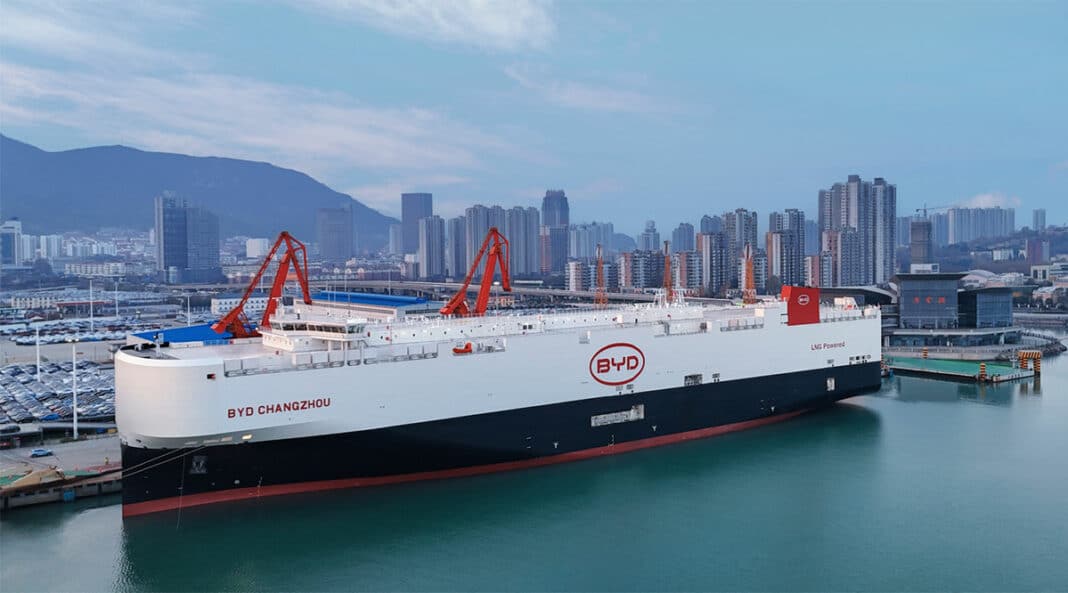
ZÁRATE, Argentina — January 2026 — In a notable shift from decades of protectionism, Argentina has welcomed its first large shipment of electric and hybrid vehicles from China, a development that illustrates the government’s new, more open trade stance. The vessel BYD Changzhou docked in the Buenos Aires province, unloading thousands of Chinese-built EVs and hybrids — a scene once unimaginable in the traditionally closed Argentine automotive market.
ZÁRATE, Argentina — January 2026 — In a notable shift from decades of protectionism, Argentina has welcomed its first large shipment of electric and hybrid vehicles from China, a development that illustrates the government’s new, more open trade stance. The vessel BYD Changzhou docked in the Buenos Aires province, unloading thousands of Chinese-built EVs and hybrids — a scene once unimaginable in the traditionally closed Argentine automotive market.
Policy Shift Fuels New Import Flow
Argentina’s new approach stems from a broader economic strategy under President Javier Milei, a controversial libertarian leader who has pursued steep deregulation since taking office. Rather than shielding domestic industry via trade barriers, his administration has slashed tariffs, simplified customs processes, and stabilised the currency — moves aimed at lowering consumer costs and invigorating the economy.
This milestone reflects a long-term vision in Argentina, to invest and steadily expand our dealer network across the entire national territory.
Stephen Deng, country manager for BYD in Argentina, commenting on the arrival of the shipment.
Economists and industry observers see the shipment as a tangible sign of Argentina’s pivot toward open market policies, contrasting sharply with the protectionist stance of past governments.
Economists and industry observers see the shipment as a tangible sign of Argentina’s pivot toward open market policies, contrasting sharply with the protectionist stance of past governments.
Market Context: A New Era for Imports
For decades, Argentina’s economy was tightly protected under Peronist-era policies that prioritised local production and levied high import taxes on foreign goods — including automobiles. This long-standing strategy discouraged EV imports and generally kept international automotive brands at bay.
- Tariff elimination for qualifying EVs and hybrids up to 50,000 units per year.
- Record growth in overall imports, up about 30% year-on-year as lower trade barriers took effect.
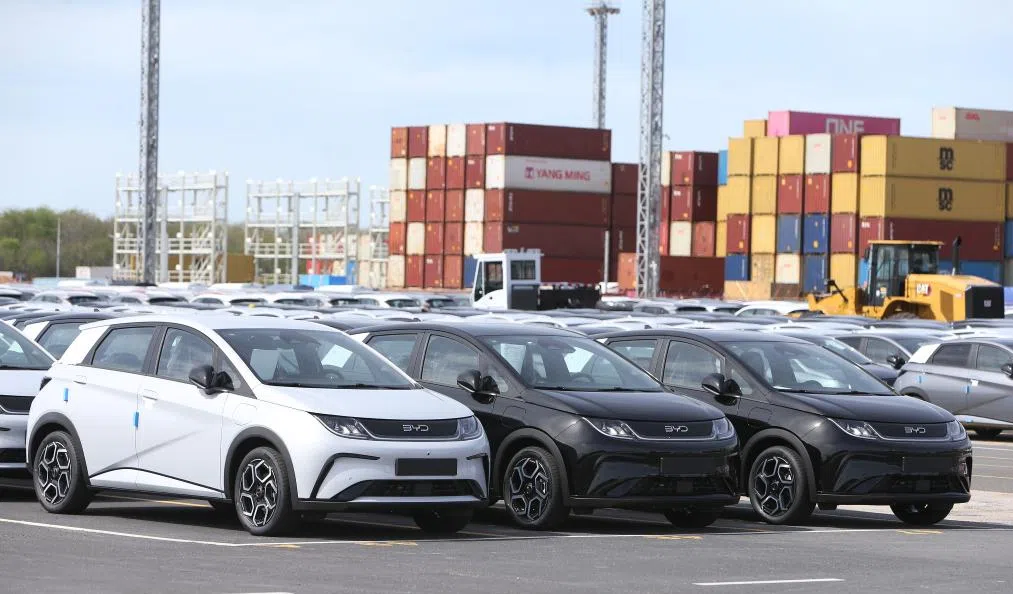
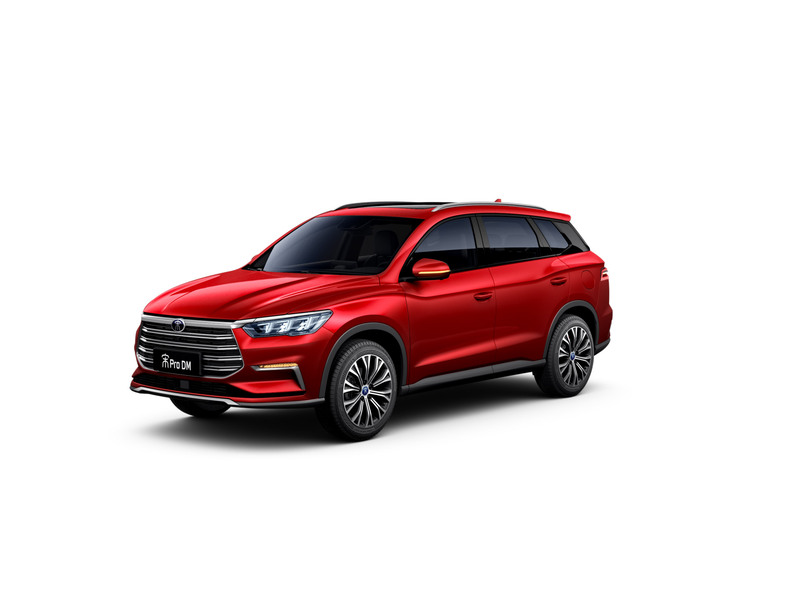
- Entry of affordable EV models such as BYD Dolphin Mini and Yuan Pro, appealing to price-sensitive buyers.
However, challenges remain: Argentina’s electricity infrastructure and after-sales support networks are still developing, and local EV servicing capacity is limited outside major cities.
Political and Economic Implications
The arrival of Chinese EVs carries geopolitical as well as economic significance. The shipment came at a moment when European lawmakers postponed ratification of a free-trade agreement between the European Union and the Mercosur bloc, which includes Argentina. This delay means European manufacturers — including Germany’s automotive giants — face stiffer competition in markets like Argentina, where Chinese brands are rapidly gaining ground.
Analysts argue that China’s combination of economies of scale, advanced EV technology, and competitive pricing has given its manufacturers an edge in markets that liberalise trade. As one industry observer put it:
In many markets, Chinese automakers are now the most cost-effective choice for consumers, and Argentina’s opening creates a clear opportunity.
What This Means for the Automotive Sector
The entry of large numbers of Chinese EVs into Argentina could have multiple impacts:
- Increased consumer choice: More affordable EV models are now available where options were previously limited.
- Pressure on local and regional automakers: Domestic producers and traditional import brands may see market share pressures.
- Infrastructure demand: Greater EV presence could accelerate investment in charging networks and servicing centres.
Source: https://apnews.com/article/argentina-chinese-electric-vehicles-javier-milei-trump-eu-mercosur-trump-8cda0de9cf2da3add6d898700b80c386
Похожие материалы
Узнайте больше

BYD
Шэньчжэнь, провинция Гуандун, Китай · Основан в 1995
BYD Company Limited — китайская многоотраслевая производственная корпорация со штаб-квартирой в Шэньчжэне, провинция Гуандун. Изначально основана как производитель перезаряжаемых батарей, BYD выросла до крупнейшего в мире производителя электромобилей и лидера в области решений возобновляемой энергетики.

BYD
BYD — новаторский китайский автомобильный бренд компании BYD Company Limited, символизирующий инновации и устойчивую мобильность. С момента выхода на автомобильный рынок в 2003 году BYD превратилась из новичка в мирового лидера в области электромобилей и технологий новых энергоисточников. Философия бренда «Build Your Dreams» отражает стремление сделать электрическую мобильность доступной и вдохновить на более чистое будущее.
Будьте в курсе EV-новостей
Получайте свежие новости и аналитику о китайских электромобилях на электронную почту