Xpeng Overtakes Li Auto to Become January’s Top “New-Force” EV Maker
Xpeng leads China’s emerging EV manufacturers in January deliveries, surpassing Li Auto with strong demand from the M03 and P7+

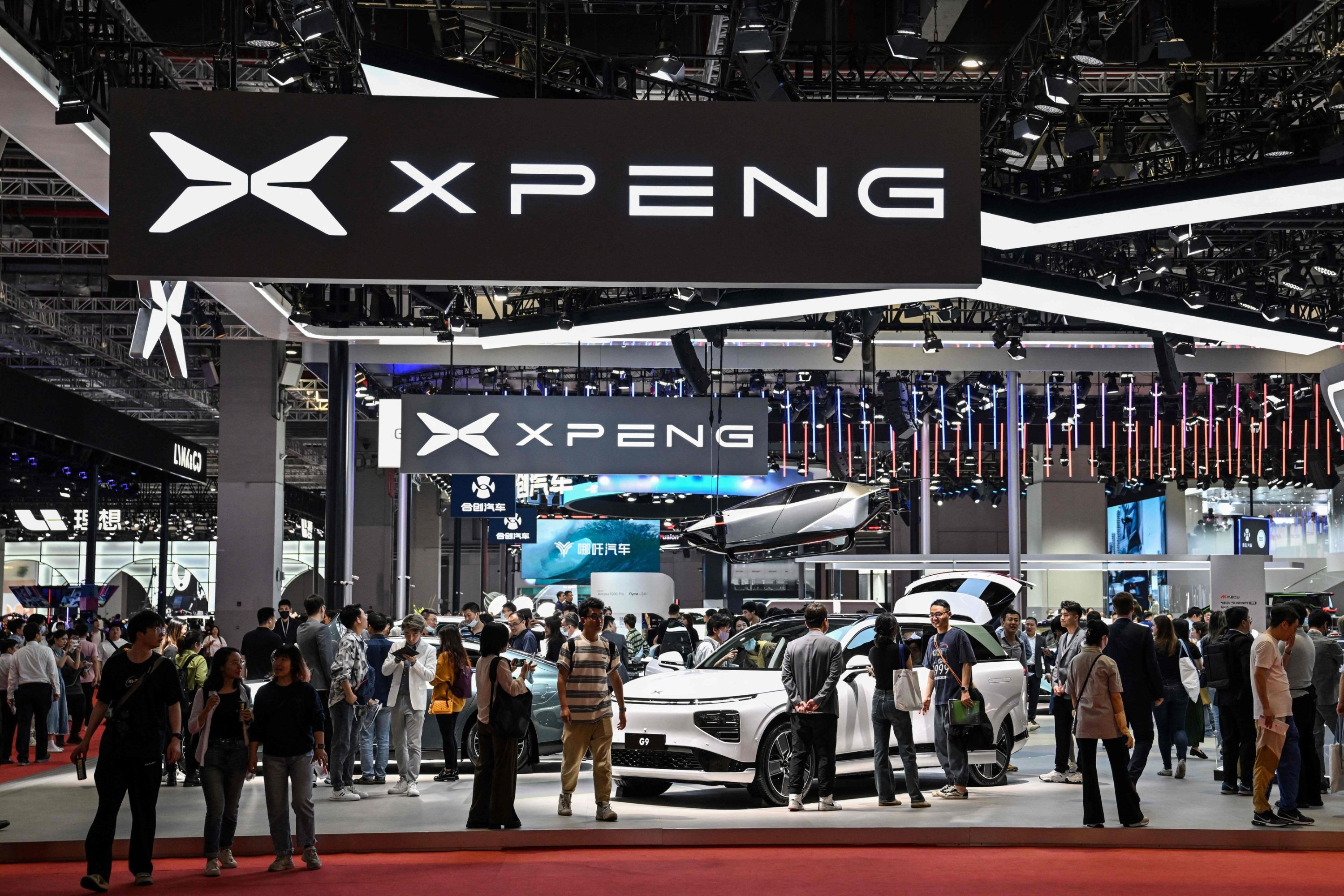
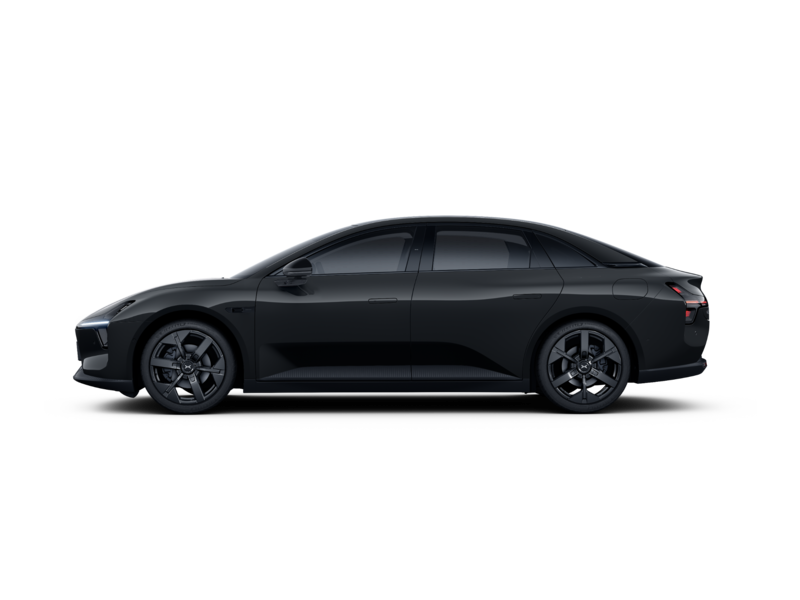
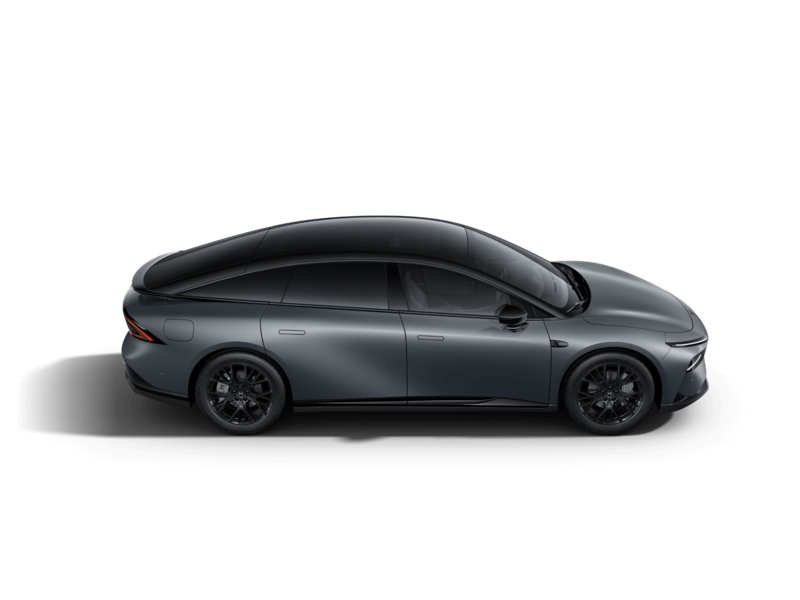
XPeng Inc. has overtaken Li Auto to become the top-performing “new-force” EV manufacturer in China, posting over 30,300 deliveries in January, a remarkable 268% year-on-year increase. The unexpected leadership shift was powered primarily by strong demand for the M03 sedan and the newly refreshed P7+. Together, these models helped Xpeng achieve the fastest delivery growth among emerging EV makers, marking a significant reversal from its slower momentum earlier in 2024.
Li Auto, which dominated the rankings throughout most of last year, reported approximately 29,900 deliveries, down 4% year-on-year. While the decline is modest, it reflects the impact of delayed new model launches and pricing pressure from increasingly aggressive competition among EV startups. Xpeng's performance not only beat Li Auto numerically, but also demonstrated growing product-market fit in the mid-price segment, an area that is gaining volume much faster than the premium extended-range SUV segment where Li Auto has traditionally excelled.
Market Reshuffle Among New-Force EV Makers
The January results triggered a broader reshuffle across China’s “new-force” brands — a term referring to EV-native companies such as Xpeng, Li Auto, Leapmotor, Deepal, NIO, and Xiaomi. While Xpeng claimed the top spot, several brands also approached or exceeded the 20,000-unit delivery threshold, signaling intensifying competition and rapid scaling among second-tier players.
Below are January delivery results from key new-force manufacturers:
- Leapmotor: ~25,000 units (+105% y/y)
- Deepal: ~24,500 units (+44.2% y/y)
- Xiaomi Auto: Exceeded 20,000 units
Although many brands showed strong year-on-year growth, most experienced month-on-month declines due to the seasonal impact of the Spring Festival and the upcoming reduction of NEV purchase tax benefits later in the year. Still, the volume clustering around the 20,000 mark suggests the segment may no longer have a single dominant winner.
This reshuffling signals a more dynamic leadership landscape — monthly winners may continue to rotate instead of being consistently led by a single brand.
Traditional Automakers Experience Diverging Performance
While emerging EV makers reshuffled rankings, traditional automakers delivered contrasting results. Geely posted 266,700 deliveries in January, achieving a new monthly record and a 25% year-on-year increase, driven by its strong lineup of plug-in hybrids and exports. The company continues to benefit from having a multi-brand portfolio that spans gasoline, hybrid, and EV architectures, lowering demand volatility.
In contrast, Great Wall Motor (GWM) reported 80,900 vehicles, marking a 22.2% year-on-year decrease and an even sharper 40.2% drop month-on-month. The decline highlights the challenges of relying heavily on SUVs and delayed product refresh cycles. Analysts believe GWM’s slower transition toward pure EV segments has left it more exposed to price competition and market fragmentation.
The contrasting results show how legacy automakers must accelerate electrification to maintain relevance, especially as EV-native companies capture more share in both mid-range and premium segments.
NEV Market Outlook for 2025
Analysts forecast that China’s NEV (New Energy Vehicle) market could reach ~15 million units in 2025, representing over 50% penetration of total passenger vehicle sales — a key psychological and market milestone. Pricing competition is expected to intensify, with more frequent product refresh cycles and OEMs adopting more flexible pricing strategies, particularly during the transition period of China’s NEV purchase tax policy.
Three forces will continue to shape competition:
- Rapid model upgrades and shorter product cycles
- Aggressive overseas expansion (Middle East, Europe, LATAM)
- A structural shift toward EV-native architectures rather than conversions
The leadership shift from Li Auto to Xpeng at the beginning of the year underscores the increased difficulty of maintaining dominance in a market evolving this quickly.
Related Articles
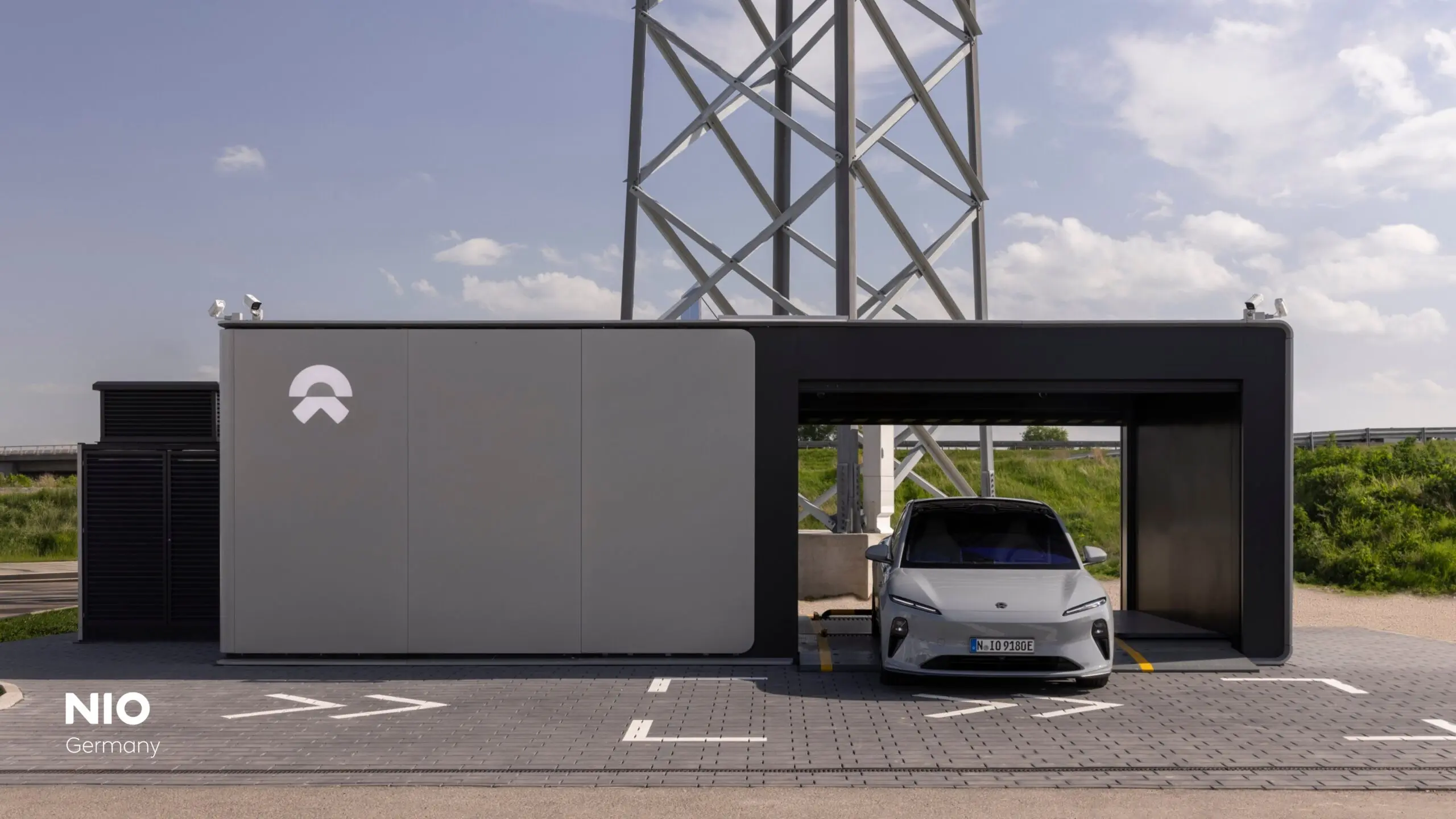
NIO Expands Battery Swapping Network Across Europe
December 12, 2024
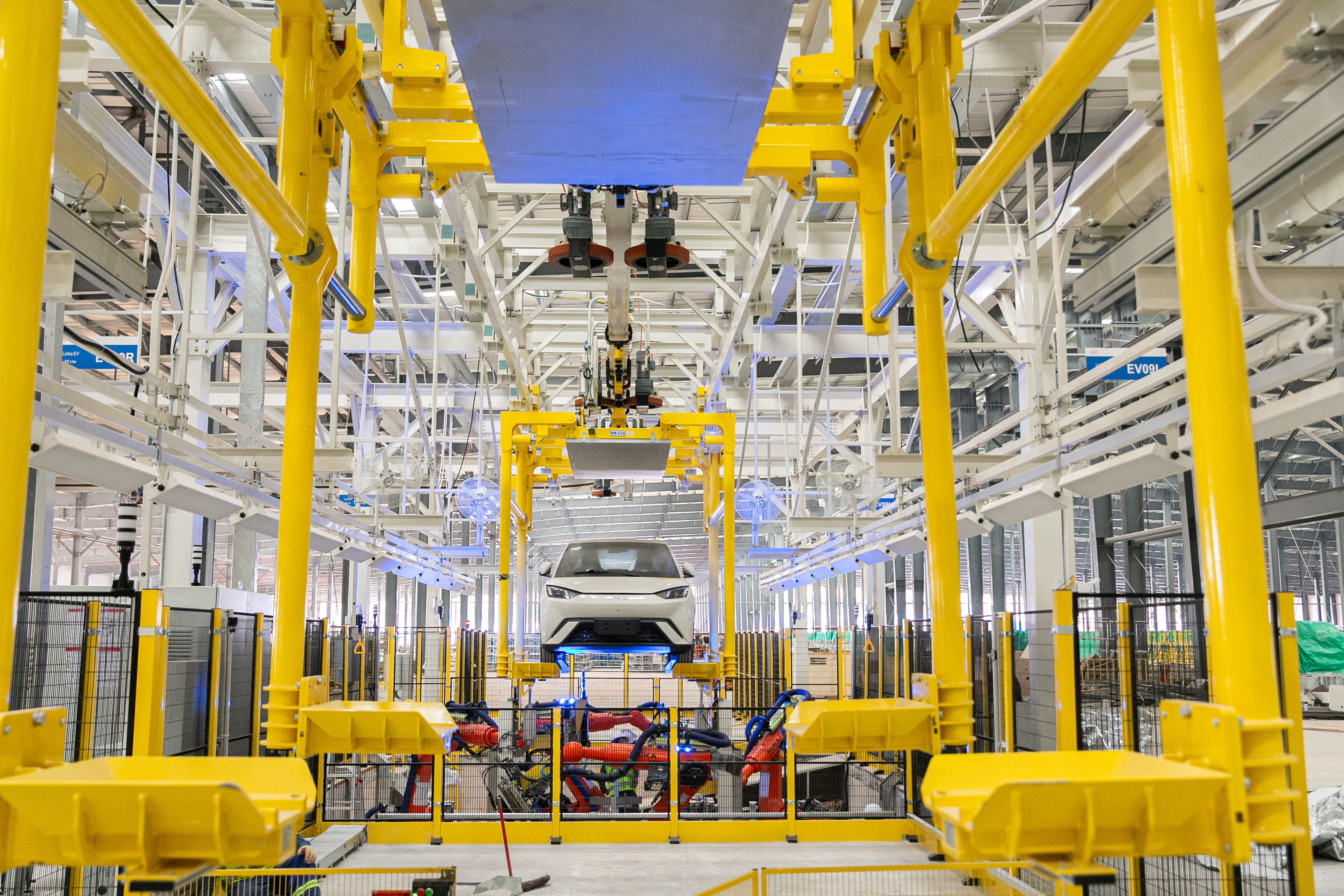
BYD Surpasses Tesla as World's Largest EV Manufacturer
December 15, 2024
Explore More
XPeng
Guangzhou, Guangdong, China · Founded 2014
XPeng Inc. is a Chinese electric vehicle manufacturer that designs, develops, manufactures and markets Smart EVs. Known for its advanced autonomous driving technology and intelligent cockpit systems, XPeng focuses on creating technology-driven premium electric vehicles.
XPeng
XPeng is a leading Chinese smart electric vehicle brand committed to shaping the future of mobility through technology, intelligence, and innovation. Founded in 2014 and headquartered in Guangzhou, XPeng focuses on delivering high-quality EVs that seamlessly integrate advanced software, autonomous driving systems, and human-centered design.
Models
Stay Updated with EV News
Get the latest news and insights about Chinese electric vehicles delivered to your inbox