Canada Slashes EV Tariffs, Unlocking New Opportunities for Chinese Automakers
Canada lowers import duties on Chinese EVs, reshaping trade and accelerating global market access.

A Landmark Trade Breakthrough
Canada and China have reached a historic trade deal that will see import tariffs on Chinese-made electric vehicles reduced from 100% to just 6.1%.
The agreement, informally known as the “EV-for-Canola” deal, also includes reciprocal benefits for Canadian agricultural exports such as canola oil and wheat.
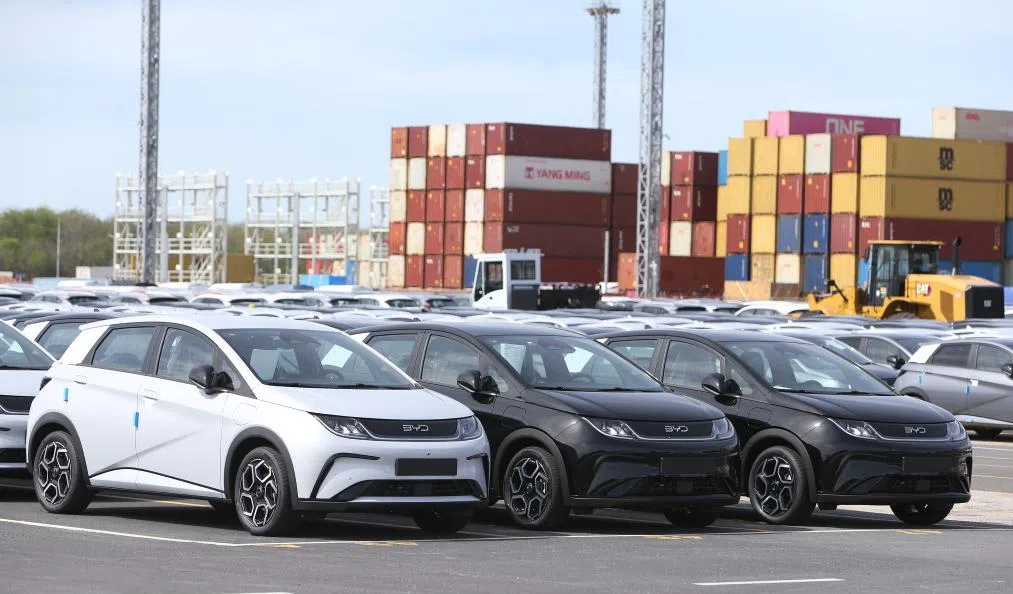
Under the new policy, up to 49,000 Chinese EVs will be imported into Canada annually at the lower rate, a move analysts say marks one of the most significant openings for Chinese automakers in North America to date.
Data Snapshot: China’s Export Strength
China’s auto export industry continues to grow rapidly, setting new global benchmarks for scale and efficiency.
| Category | Export Volume (2025) | Year-on-Year Growth |
|---|---|---|
| Total Vehicle Exports | 7.09 million units | +21% |
| New Energy Vehicles (NEVs) | 2.6 million units | +48.8% |
| Pure EVs | 2.1 million units | Nearly doubled |
This performance highlights how China’s EV sector has become the driving force of the country’s manufacturing exports, combining cost efficiency with world-leading battery and drivetrain technologies.
Positive Impacts of the Tariff Reduction
The policy shift is widely seen as a turning point for Chinese EV exporters, improving cost competitiveness and brand visibility in developed markets.
Lowering tariffs on Chinese EVs is not just about market access — it’s about confidence in sustainable growth. This move shows that pragmatic cooperation can coexist with competition, benefiting both producers and consumers.
Stronger Market Access & Growth Potential
- Lower Entry Barriers: Tariff reduction cuts retail prices by up to 30%, making Chinese EVs more accessible to Canadian consumers.
- Industry Recognition: The move signals international confidence in Chinese electric vehicle quality and environmental standards.
- Innovation Incentive: Encourages automakers like BYD, SAIC, and NIO to accelerate overseas R&D and local partnerships.
- Sustainable Transition: Supports Canada’s EV adoption goals and strengthens its clean energy ecosystem.
Broader Implications for the Global EV Market
This agreement reflects a growing global trend toward balanced and sustainable trade models.
By aligning clean-technology imports with agricultural exports, both nations have set a new precedent for “green diplomacy” — linking industrial innovation with environmental responsibility.
Market observers predict that Canada’s move may influence other Western economies to reassess their own import policies, especially as global EV demand continues to outpace production capacity in traditional markets.


Stay Updated with EV News
Get the latest news and insights about Chinese electric vehicles delivered to your inbox