Buyer Type
Beginner
7 min read
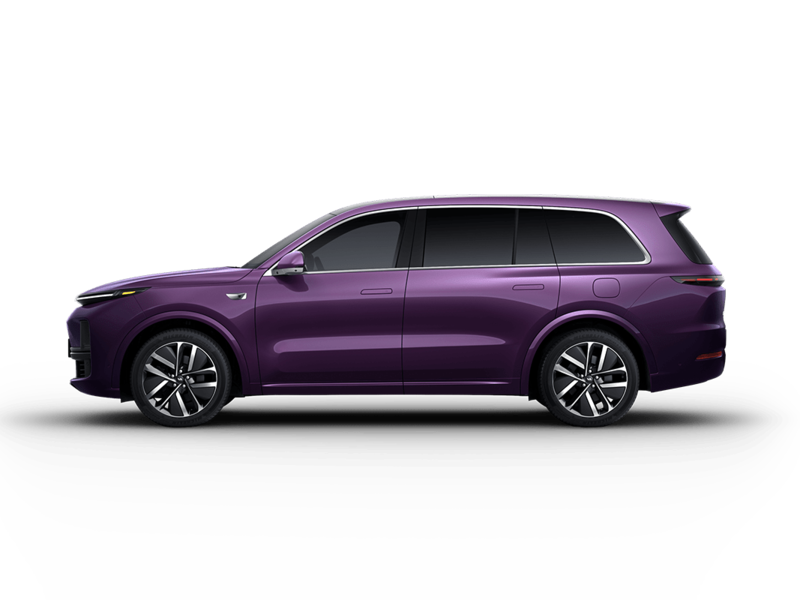
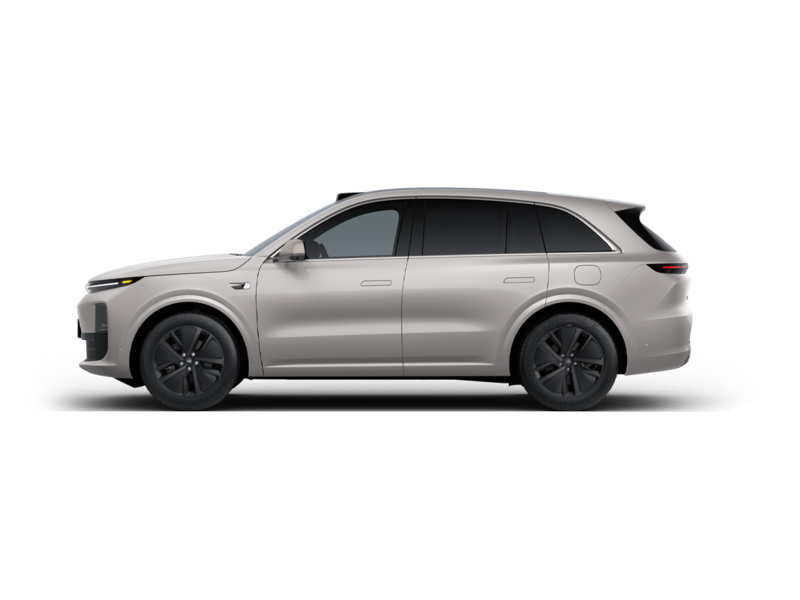
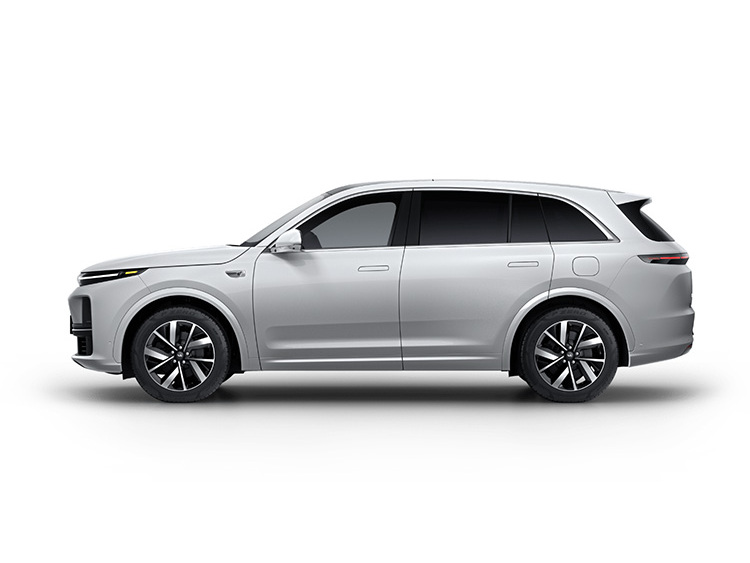
2026 Large 5-Seat SUV Comparison: Li Auto L7 vs AITO M7 vs NIO ES6 vs XPeng G9
A practical comparison of the Li Auto L7, AITO M7, NIO ES6, and XPeng G9 to help buyers choose the right large SUV in 2026.
Large five-seat SUVs have become one of the most competitive segments in China’s EV market. For many buyers, they offer a better balance than traditional seven-seat models, combining spacious interiors with lower weight, better efficiency, and more usable cargo space.
This category is especially attractive for families who want premium comfort without the extra size and complexity of a third row.
The four models compared here represent very different approaches to the same market:
- Li Auto L7
- AITO M7
- NIO ES6
- XPeng G9
Core Specs Comparison
| Model | Powertrain | CLTC Range | Charging / Energy | Key Focus |
|---|---|---|---|---|
| Li Auto L7 | EREV | 1,300km+ | Fuel + electric | Family comfort |
| AITO M7 | EREV | 1,200km+ | Fuel + electric | Smart cockpit |
| NIO ES6 | BEV | 500–700km | Battery swap + charging | Premium EV experience |
| XPeng G9 | BEV | 600–700km | Ultra-fast charging | Smart driving tech |
Comfort and Space
Comfort remains one of the biggest reasons buyers choose this segment.
The Li Auto L7 is clearly designed around family use. Its suspension tuning prioritizes ride softness, while the cabin focuses heavily on passenger comfort and long-distance usability.
The AITO M7 takes a slightly different direction, emphasizing cabin intelligence and interaction. Thanks to Huawei’s ecosystem integration, the in-car experience feels highly connected and modern.
The NIO ES6 and XPeng G9 lean more toward premium EV positioning. Both offer strong material quality and modern interiors, though their driving feel is more technology-oriented than comfort-oriented.
Buyers prioritizing rear-seat comfort will likely prefer the L7 or M7, while users focused on premium EV experience may lean toward the ES6 or G9.
EREV vs BEV: Which Fits Your Lifestyle?
One of the biggest differences between these models is powertrain choice.
The Li Auto L7 and AITO M7 use extended-range systems, combining electric driving with a gasoline engine used primarily as a generator. This setup reduces range anxiety and works well for long-distance travel or regions with limited charging infrastructure.
The NIO ES6 and XPeng G9 are fully electric vehicles. They provide a quieter and more refined driving experience while benefiting from lower maintenance costs. However, charging convenience becomes more important for daily use.
For many overseas buyers, this decision may depend more on local infrastructure than vehicle performance itself.
Technology and Driving Experience
Technology is becoming a defining factor in this segment.
The XPeng G9 stands out for its advanced driver-assistance systems and fast-charging capability, making it particularly attractive for tech-focused users.
The AITO M7 benefits from Huawei’s HarmonyOS ecosystem, which delivers one of the strongest smart cockpit experiences currently available in a Chinese SUV.
NIO ES6 differentiates itself through ecosystem and ownership experience, especially features like battery swapping and premium user services.
Li Auto L7 focuses less on extreme technology and more on making daily family use as seamless as possible.
Which SUV Should You Choose?
For buyers mainly focused on family comfort and road trips, the Li Auto L7 offers the most balanced package.
Users who value smart cabin interaction and connected ecosystems may find the AITO M7 more appealing.
The NIO ES6 remains one of the strongest choices for premium EV ownership experience, while the XPeng G9 is best suited for buyers who prioritize intelligent driving and charging technology.
Final Verdict
Large five-seat SUVs represent one of the most practical EV categories in 2026.
They deliver:
- Better real-world usability than many seven-seat SUVs
- Strong balance between comfort and efficiency
- Flexible choices between EREV and BEV platforms
Among these four models, the Li Auto L7 stands out as the strongest all-round family SUV, while the XPeng G9 remains one of the most technology-focused options in the segment.
Source: https://www.autohome.com.cn/article?id=df3pacY_4V8=#
Tags:
large 5-seat SUV 2026
Family Car
EV Comparison
Explore More

Li Auto
Li Auto Inc.
Beijing, China · Founded 2015
Li Auto Inc. is a Chinese electric vehicle manufacturer that designs, develops, manufactures and sells premium smart electric vehicles. The company is known for its Extended Range Electric Vehicle (EREV) technology and family-oriented SUV designs.