Tata Selects Chery-JLR Freelander Platform for Its Next-Generation Avinya EVs
The platform decision highlights the growing international role of China's advanced electric vehicle engineering.

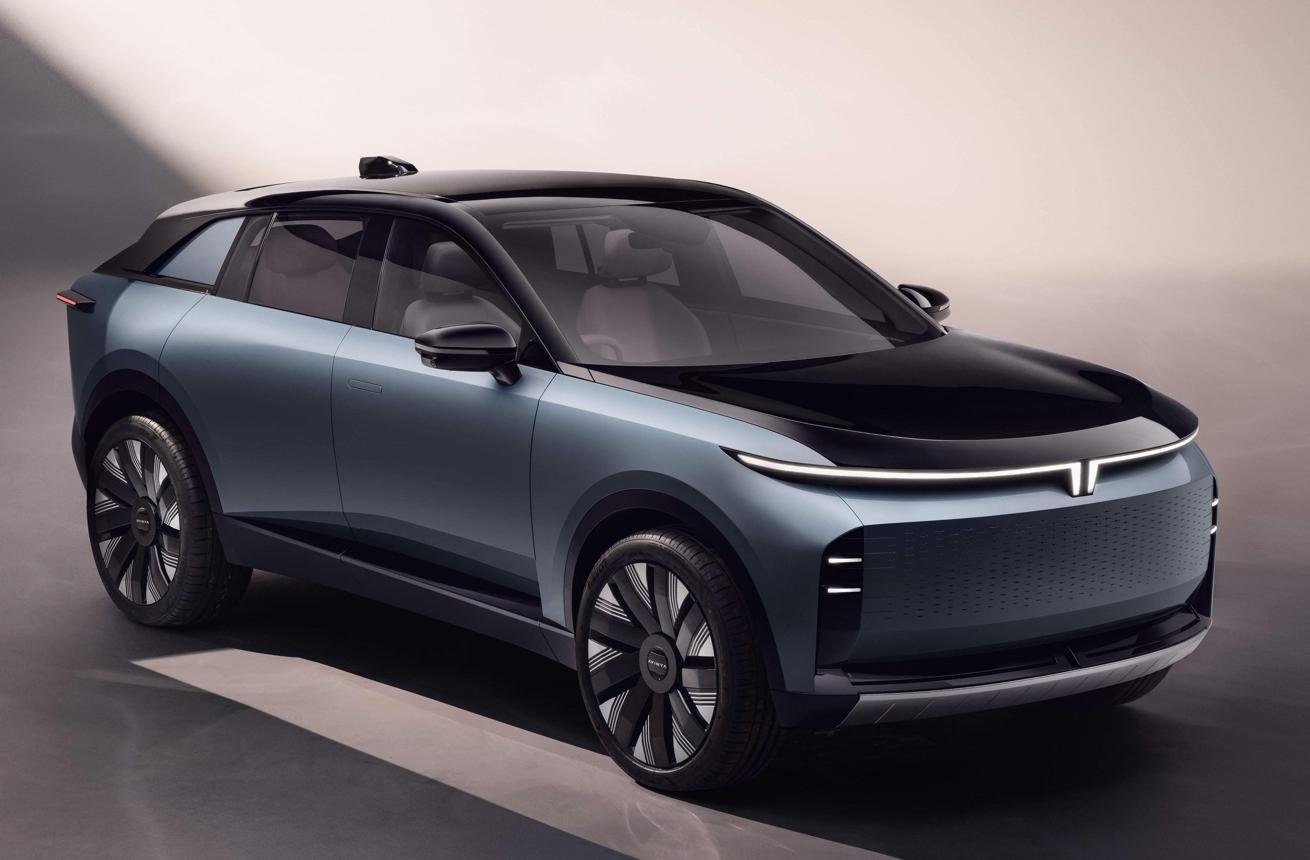
Chinese automotive engineering is gaining another international application as Indian manufacturer Tata Motors prepares to use the Freelander vehicle architecture developed within the Chery Jaguar Land Rover joint venture for its upcoming premium electric vehicles.
The company confirmed on June 3, 2026, that its first Avinya-branded production model, scheduled to launch in India in 2027, will be based on the Freelander platform produced by Chery Jaguar Land Rover (CJLR).
The decision brings together automotive engineering capabilities from China, India and the United Kingdom, illustrating the increasingly international nature of electric vehicle development.
For China's automotive industry, the project highlights how platforms developed within Chinese manufacturing partnerships can support vehicles intended for other major automotive markets.
A New Platform Strategy for Tata's Premium EV Ambitions
Tata Motors originally planned to develop its Avinya electric vehicles using Jaguar Land Rover's Electrified Modular Architecture (EMA).
However, the company has shifted toward the Freelander platform, reflecting a revised approach to development costs, manufacturing efficiency and future product requirements.
The first vehicle under the updated strategy is expected to be based on the Avinya X concept, a premium electric SUV showcased at the Bharat Mobility Global Expo in January 2025.
Tata plans to manufacture the vehicle at its Panapakkam facility in Tamil Nadu, India, which is shared with Jaguar Land Rover.
In its June 3 statement, Tata Motors confirmed the platform decision and the planned launch timetable.
The first Avinya vehicle to be launched in India in 2027 will leverage the Freelander platform produced by CJLR
Tata Motors — Official Company Statement, June 3, 2026
Tata is also expected to adapt vehicle electronics, software and other systems for Indian market conditions, allowing the company to combine the underlying architecture with its own design and engineering capabilities.
Chinese-Developed Architecture Supports International Innovation
The Freelander platform is part of a wider technology partnership between Chinese automaker Chery and British luxury vehicle manufacturer Jaguar Land Rover, which have operated a joint venture in China for more than a decade.
In 2024, JLR announced an agreement to revive the Freelander name through CJLR, using Chinese-developed electric vehicle architecture to support a new generation of electrified vehicles.
The partnership introduced the Freelander Concept 97 in 2026, demonstrating the direction of its future SUV portfolio.
The use of the Freelander architecture in Tata's Avinya programme illustrates several advantages of international automotive engineering cooperation:
- Platform development efficiency: Shared architectures can reduce the need to engineer every major vehicle component from the beginning.
- Flexible product development: Modular systems can support different vehicle sizes, configurations and market requirements.
- International engineering collaboration: Chinese platform development can be combined with regional vehicle design, software and integration capabilities.
- Manufacturing localization: Using an established architecture may help manufacturers develop vehicles for local production rather than relying entirely on imported finished cars.
These advantages reflect the growing importance of vehicle platforms as a competitive strength in the global automotive industry.
What the Partnership Means for Global Electric Mobility
For Tata Motors, the Freelander architecture provides a foundation for developing its premium Avinya electric vehicle range while retaining responsibility for vehicle design, system integration and market-specific engineering.
For the Chinese automotive industry, the project highlights another dimension of international competitiveness beyond vehicle exports.
China's role in electric mobility is increasingly connected to the development of battery systems, vehicle architectures, software integration and manufacturing technologies that can contribute to international automotive programmes.
The planned 2027 Avinya launch will depend on further engineering, testing and production preparations. Final specifications, pricing and performance figures have not yet been announced.
The platform arrangement also operates through the CJLR joint-venture ecosystem rather than constituting a confirmed direct technology-licensing agreement between Chery and Tata Motors.
Nevertheless, the development illustrates how international automakers are increasingly drawing on engineering capabilities developed within China's automotive industry.
As global manufacturers pursue more competitive electric vehicles, cooperation across engineering, technology and manufacturing is likely to become an important part of the industry's next phase.
Похожие материалы
Будьте в курсе EV-новостей
Получайте свежие новости и аналитику о китайских электромобилях на электронную почту