EU Weighs Minimum Import Price to Replace Tariffs on Chinese EVs
Brussels explores a pricing system to resolve trade tensions and stabilise EV imports from China.

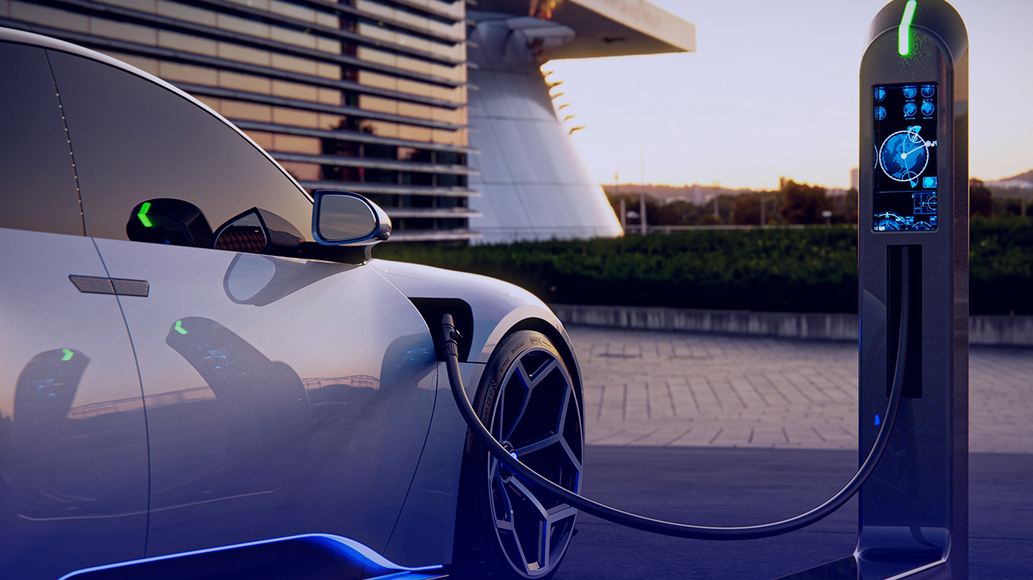
EU Reassesses Its Approach to Chinese EV Imports
The European Commission is reportedly reviewing a proposal that could phase out current tariffs on Chinese electric vehicles (EVs) and replace them with a minimum import price mechanism.
The plan aims to balance two competing priorities — maintaining a level playing field for European automakers while preserving trade stability with China, which has become one of the EU’s largest suppliers of EVs.
A rules-based framework for EV pricing could prevent further escalation while ensuring transparency and fairness in the market.
How the Minimum Price Mechanism Works
The new system would require Chinese carmakers to submit formal price offers for vehicles exported to the EU, outlining specific terms such as:
- A minimum import price per model or vehicle type.
- Sales and distribution details within the EU market.
- Planned local investments to support European operations.
- Safeguards against cross-subsidisation between different brands or subsidiaries.
Each offer would be evaluated under consistent legal criteria, and approvals would follow World Trade Organization (WTO) principles of non-discrimination.
This mechanism is intended to serve as an alternative to tariffs, ensuring that Chinese EVs remain competitively priced while addressing EU concerns about state support.
Market Response and Industry Impact
News of the proposed framework has been positively received by investors, with shares of leading Chinese EV makers — including BYD, Xpeng, and SAIC Motor — rising in early Asian trading.
Analysts noted that a price-based system could restore predictability to China–EU EV trade and reduce compliance uncertainty for exporters.
At the same time, European automakers may benefit from a more stable import environment, allowing them to plan for market competition without the constant risk of new tariffs.
This represents a constructive path forward that avoids punitive measures while promoting healthy market competition.
A Compromise to Ease Trade Tensions
The EU launched its anti-subsidy investigation into Chinese EVs in 2024, citing concerns that government incentives gave Chinese brands an unfair advantage. Tariffs of up to 35 percent were subsequently imposed, leading to months of high-level negotiations between Beijing and Brussels.
By shifting to a minimum price model, both sides hope to defuse trade friction and maintain automotive supply chain stability — a priority for both European consumers and manufacturers dependent on Chinese battery technologies.
Outlook: Toward a New Trade Framework
If implemented, this system could mark a turning point in China–EU automotive trade, replacing confrontation with cooperation.
Industry watchers say it might encourage:
- Greater localisation of Chinese EV production within Europe.
- Joint ventures focused on battery supply and vehicle assembly.
- Enhanced market transparency in pricing and cost structures.
The European Commission is expected to review price proposals in the coming months, with an official decision anticipated later in 2026.
Key Points
- EU plans to replace tariffs with a minimum import price system for Chinese EVs.
- The mechanism would be WTO-compliant and legally uniform across all exporters.
- Shares of Chinese EV makers rose following reports of the policy shift.
- The proposal could reduce trade friction and stabilise supply chains.
- Official evaluation is expected to begin later in 2026.
Похожие материалы
Будьте в курсе EV-новостей
Получайте свежие новости и аналитику о китайских электромобилях на электронную почту