China Introduces Stricter Battery Standards for EVs to Curb Fire and Explosion Risks
New national standards coming July 2026 aim to raise safety benchmarks for electric vehicle and plug-in hybrid battery systems

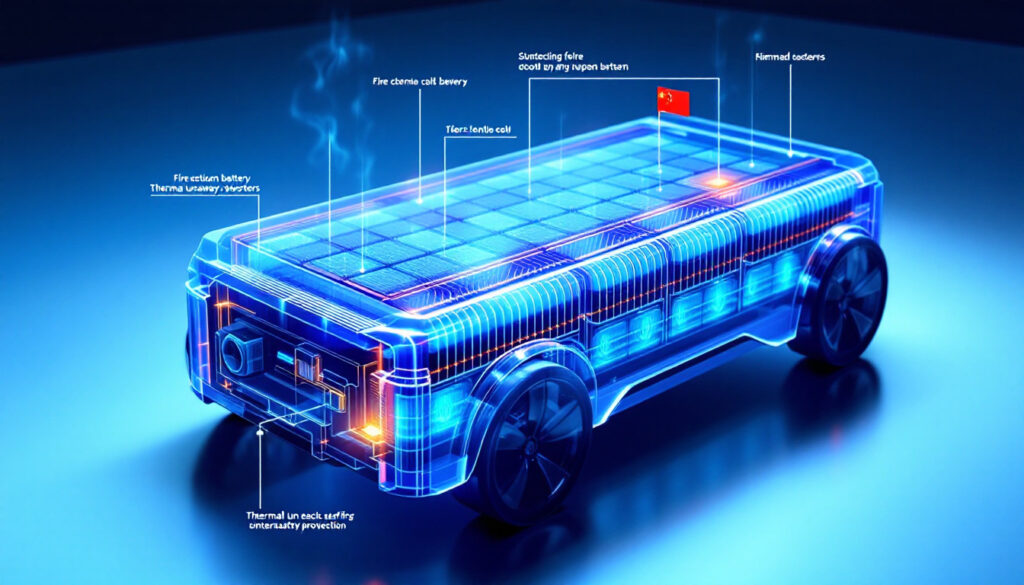
China will implement enhanced safety standards for the batteries in electric vehicles (EVs) and plug-in hybrids, as announced by the Ministry of Industry and Information Technology. The updated rules, approved in March and made public on April 15, require battery systems to undergo tougher testing for fire and explosion risks, including scenarios involving thermal runaway, crash impacts and high-speed charging.
We must reduce risks for drivers, passengers and surrounding property by ensuring batteries cannot catch fire or explode in defined tests.
What the New Standards Require
The revised regulation obliges manufacturers to meet several key technical benchmarks:
- Batteries must withstand crash-impact tests and fast-charging stress without thermal propagation.
- The previous requirement of a five-minute fire-warning system is replaced with a non-propagation performance target.
- Companies will have until July 2026 to align with the new standard.
These changes reflect a shift from early warning measures to preventative structural integrity of the battery packs, moving beyond simply spotting a fault to containing it safely.
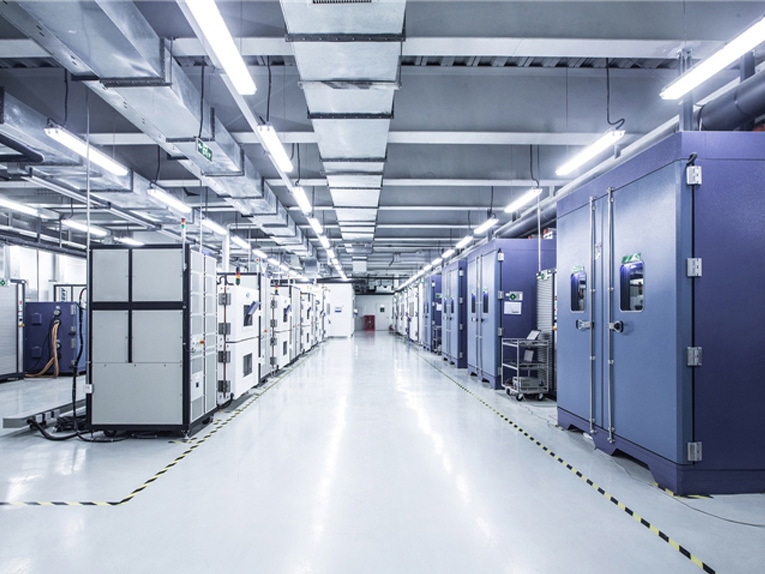
Why the Rules are Now Critical
With new-energy vehicles (NEVs) — which include EVs and plug-in hybrids — making up more than half of new car sales in China, the government is under pressure to address public concerns about battery safety and high-profile incidents. Previous regulations focused on fire detection; the new standard drives deeper battery pack resilience and system robustness. Many automakers and battery suppliers are expected to increase R&D budgets and upgrade production lines to comply.
Implications for Automakers and Supply Chain
The introduction of stricter battery safety standards will affect automakers, battery manufacturers and downstream suppliers alike.
- Upgrading factories and design processes may raise unit costs and slow product refresh cycles in the short term.
- Suppliers with strong safety credentials may gain competitive advantage, while smaller players could face consolidation pressure.
- Automakers selling overseas may use compliance as a global differentiator — aligning with China’s safety ethos could support export credibility.
As the EV market matures, battery safety is emerging as a key differentiator — not just range or price.
Related Articles
Stay Updated with EV News
Get the latest news and insights about Chinese electric vehicles delivered to your inbox